Comptroller Mendoza Perversely Capitalizing On a Tragedy
Comptroller Susana Mendoza falsely claimed Chicago police officer Enrique Mendoza was murdered because the Pretrial Fairness Act “permits violent offenders accused of heinous crimes to be released on electronic monitoring.”
The Briefing
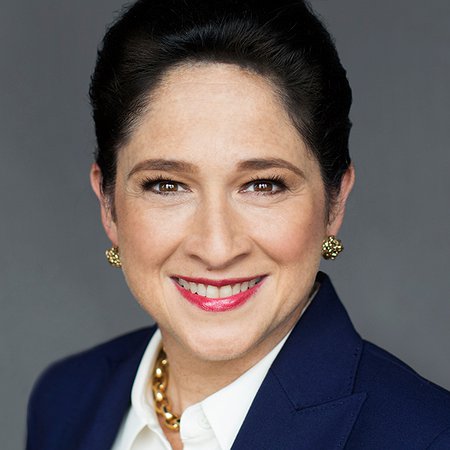
In comments at the Illinois Police Officers Memorial Ceremony, Comptroller Susana Mendoza falsely claimed that the murder of Chicago police officer Enrique Mendoza was because the Pretrial Fairness Act “permits violent offenders accused of heinous crimes to be released on electronic monitoring.” She claimed that the electronic monitoring provision of the SAFE-T Act does not make our communities safer, but instead “puts officers and residents at risk.” This is simply not true.
The accused person was on pretrial release with a charge of possessing 300-500 mg of cannabis, an offense that is neither defined as violent” nor “heinous” in the law. There is simply no way that anyone could have predicted this tragedy: nothing in the allegations against him indicated that he would participate in a shooting that would result in an officer’s death.
The Pretrial Fairness Act allows prosecutors to seek detention of a person accused of a violent crime who may pose a danger to a person or the community. A judge conducts an individualized assessment of the allegations, as well as the accused’s background and life circumstances, in making the decision to release or detain based on safety and the likelihood of willful flight. In some instances, the judge will condition a person’s release on being placed on electronic monitoring, which means that they are under constant GPS surveillance 24/7.
Mendoza took aim at a provision in the law that allows people on pretrial electronic monitoring two periods of “movement” each week to complete essential tasks like going to the grocery store and laundromat or visiting a doctor. These provisions were put in place because the Cook County Sheriff’s Office had created a human rights crisis by preventing people on his electronic monitoring program from doing those tasks as well as other basic activities like taking out the garbage or getting the mail. The program was so impractical and inhumane that Cook Cook County began sunsetting it last year.
In repeating the false talking point that people on pretrial electronic monitoring have “two days a week off the monitoring grid”, Mendoza is demonstrating either ignorance or a disregard of the facts. This three-year old piece of misinformation has already been debunked through reporting and simple consultation of actual law and practice. People on pretrial electronic monitoring are always under GPS tracking, including during any periods of essential movement.
Under the money bond system who is jailed pretrial is determined by the size of a person’s bank account, not public safety. Someone with money can walk free, no matter the risk they pose, while those without means are jailed regardless of how minor the charges or their circumstances at home. Under the Pretrial Fairness Act, people are no longer jailed simply because they could not afford to buy their freedom.
The results are encouraging. After the Pretrial Fairness Act took effect, the number of people incarcerated pretrial decreased by 14% in urban areas and 25% rural counties after the law went into effect, while violent and property crime decreased in urban and rural areas across the state. In the first nine months of 2025, Chicago witnessed a 22.1% drop in violent crimes and a 33% decrease in homicides, leading the nations in overall violent crime reduction. The rates of re-arrests of people released pretrial has remained steady.
While we are not claiming this is a direct result of ending money bail, it does make clear that the claims that this law has made our communiIn comments at the Illinois Police Officers Memorial Ceremony, Comptroller Susana Mendoza falsely claimed that the murder of Chicago police officer Enrique Mendoza was because the Pretrial Fairness Act “permits violent offenders accused of heinous crimes to be released on electronic monitoring.” She claimed that the electronic monitoring provision of the SAFE-T Act does not make our communities safer, but instead “puts officers and residents at risk.” This is simply not true.
The accused person was on pretrial release with a charge of possessing 300-500 mg of cannabis, an offense that is neither defined as violent” nor “heinous” in the law. There is simply no way that anyone could have predicted this tragedy: nothing in the allegations against him indicated that he would participate in a shooting that would result in an officer’s death.
The Pretrial Fairness Act allows prosecutors to seek detention of a person accused of a violent crime who may pose a danger to a person or the community. A judge conducts an individualized assessment of the allegations, as well as the accused’s background and life circumstances, in making the decision to release or detain based on safety and the likelihood of willful flight. In some instances, the judge will condition a person’s release on being placed on electronic monitoring, which means that they are under constant GPS surveillance 24/7.
Mendoza took aim at a provision in the law that allows people on pretrial electronic monitoring two periods of “movement” each week to complete essential tasks like going to the grocery store and laundromat or visiting a doctor. These provisions were put in place because the Cook County Sheriff’s Office had created a human rights crisis by preventing people on his electronic monitoring program from doing those tasks as well as other basic activities like taking out the garbage or getting the mail. The program was so impractical and inhumane that Cook Cook County began sunsetting it last year.
In repeating the false talking point that people on pretrial electronic monitoring have “two days a week off the monitoring grid”, Mendoza is demonstrating either ignorance or a disregard of the facts. This three-year old piece of misinformation has already been debunked through reporting and simple consultation of actual law and practice. People on pretrial electronic monitoring are always under GPS tracking, including during any periods of essential movement.
Under the money bond system who is jailed pretrial is determined by the size of a person’s bank account, not public safety. Someone with money can walk free, no matter the risk they pose, while those without means are jailed regardless of how minor the charges or their circumstances at home. Under the Pretrial Fairness Act, people are no longer jailed simply because they could not afford to buy their freedom.
The results are encouraging. After the Pretrial Fairness Act took effect, the number of people incarcerated pretrial decreased by 14% in urban areas and 25% rural counties after the law went into effect, while violent and property crime decreased in urban and rural areas across the state. In the first nine months of 2025, Chicago witnessed a 22.1% drop in violent crimes and a 33% decrease in homicides, leading the nations in overall violent crime reduction. The rates of re-arrests of people released pretrial has remained steady.
While we are not claiming this is a direct result of ending money bail, it does make clear that the claims that this law has made our communities less safe are quite simply false.
ties less safe are quite simply false.
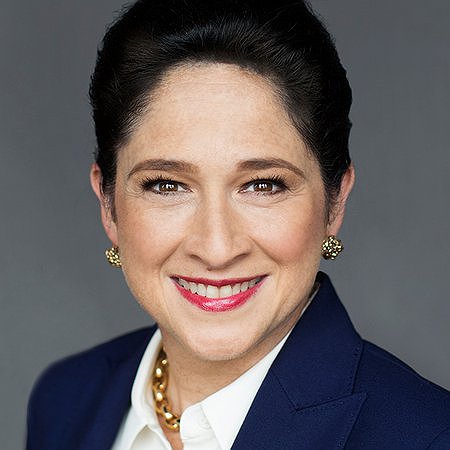
Susana Mendoza exploits tragedy, attacking a Cook County Judge to Advance Her Campaign
Comptroller Mendoza Perversely Capitalizing On a Tragedy

House Republicans Exploit Child's Death to Mislead Public About Pretrial Release
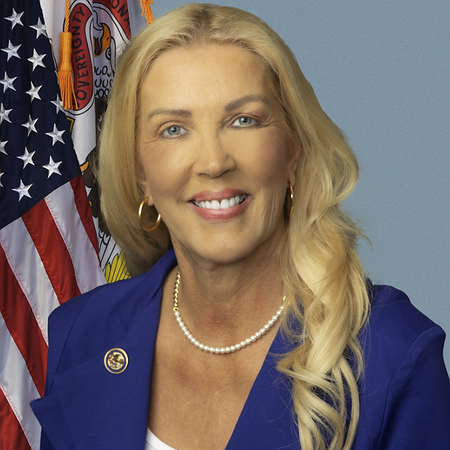
Senator Rezin and Sheriff Briley Spread Fear About Crime and Immigration

McHenry County State’s Attorney Patrick Kenneally Spreads Misinformation about Pretrial Reforms

Cook County Circuit Clerk Iris Martinez Spreads Misinformation about Court Appearance Rates
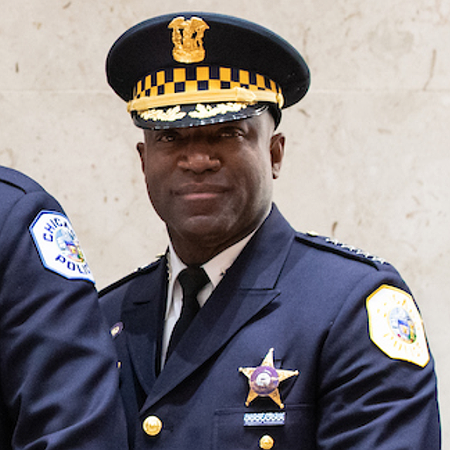
Chicago Police Superintendent Larry Snelling Claims That Machine Gun Possession Is Not Eligible For Pretrial Detention
False Claims About Detainable Charges Made by State Senator Steve McClure